Foot and Ankle Injuries in Active Adults — Treating Sprains, Fractures & Instability in Fort Lauderdale
You're jogging along Fort Lauderdale's sunny beaches, waves crashing nearby. Or maybe you're playing pickup basketball on a local court. Suddenly, a twist or misstep hits. Pain shoots through your foot or ankle. For active adults here in South Florida, these moments happen often. Beach runs, water sports, and daily hustle make foot and ankle injuries common. This guide covers how to spot, treat, and bounce back from sprains, fractures, and instability. You'll learn why quick care from local experts matters. And how to get back to your active life without fear of re-injury.
The ankle joint is like a sturdy hinge that handles twists and turns. It links bones, ligaments, and tendons in a tight setup. But that design means small hits can cause big problems. If you ignore early signs, a simple twist might lead to ongoing wobbles. That's why seeing a Fort Lauderdale specialist right away can save your mobility. Let's break down the main types of these injuries.
Understanding the Spectrum of Foot and Ankle Trauma
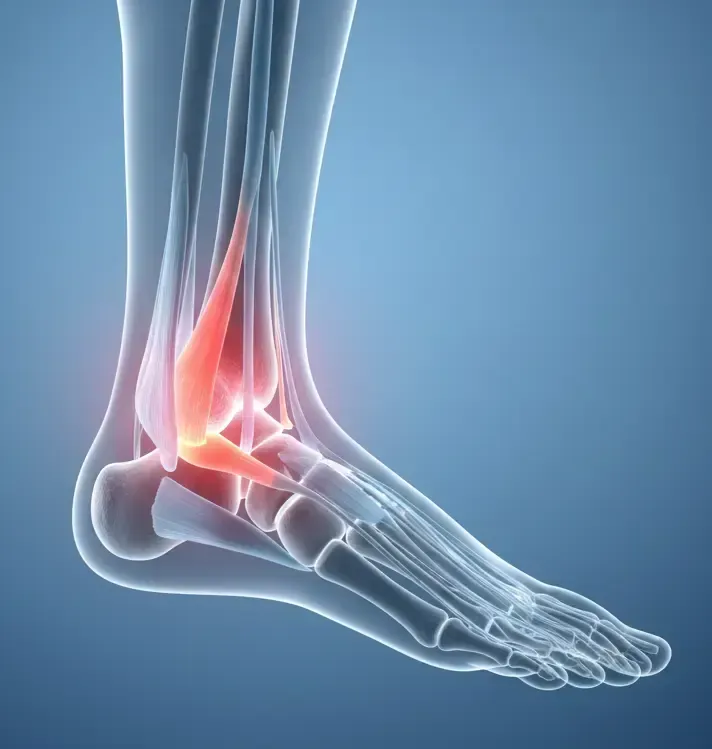
Active folks in South Florida face unique risks. Uneven sand, hard pavement, and quick sports moves add up. Foot and ankle trauma ranges from mild pulls to full breaks. Knowing the types helps you act fast. Here's a look at the most seen issues.
Ligamentous Injuries: The Common Ankle Sprain
Ankle sprains top the list for runners and beach volleyball players. Most come from inversion injuries. That's when your foot rolls inward under weight. Ligaments on the outer ankle stretch or tear.
Doctors grade them by damage level. Grade I means a mild stretch with little swelling. You can still walk, but it hurts. Grade II involves partial tears. Swelling and bruising show up. Walking gets tough. Grade III is a full tear. You can't bear weight, and the ankle feels loose.
Don't skip a checkup after any twist. It might hide a fracture. In Fort Lauderdale clinics, pros rule out bone issues fast.
- RICE right away: Rest the ankle. No weight on it. Ice for 15-20 minutes every few hours. Wrap with a compression bandage. Elevate above heart level. This cuts swelling and pain in the first days.
Follow RICE for 48-72 hours. Then see a doctor for next steps.
Bone Injuries: Recognizing Fractures in High-Impact Activities
Fractures sneak up in high-energy spots like soccer fields or bike paths. The distal fibula, part of the outer lower leg bone, breaks often from twists. Tibia fractures hit the inner side. Fifth metatarsal stress fractures plague runners who push too hard on pavement.
Pain doesn't always match the damage. A bad sprain can hurt more than a hairline crack. You might walk on a fracture at first. But swelling, bruising, and sharp pain soon follow.
Weight-bearing tells a lot. If you can't stand on it, get imaging. X-rays spot most breaks. MRI helps with stress types. In Fort Lauderdale, sports medicine centers use these tools daily. Early diagnosis speeds healing. Delays can mean surgery.
About 10% of ankle twists hide fractures, per studies. Don't guess—get checked.
Tendon and Soft Tissue Damage
Tendons connect muscles to bones. They take a beating in sports with sprints or jumps. Achilles tendonitis builds from overuse. Runners on Florida's flat trails feel it first. Pain starts at the back of the heel. It worsens with activity.
Full Achilles tears snap during a sudden push-off. You hear a pop. Can't point your toes down. Peroneal tendon subluxation happens when these side tendons slip out of place. Quick cuts in tennis or basketball cause it. Snapping feels weird along the outer ankle.
Rest helps mild cases. But tears need more. Local docs in Fort Lauderdale often pair ultrasound with rehab. This spots soft tissue tears early.
Worried your ankle pain is more than a sprain?
Get a clear picture of your injury and your recovery path.
Diagnosing Instability: When a Sprain Isn't Just a Sprain
One bad sprain can linger. If you rush back too soon, instability creeps in. That's when your ankle feels unreliable. For athletes, this stalls comebacks. Let's dig into chronic ankle instability, or CAI.
Chronic Ankle Instability (CAI)
CAI hits after repeated ankle sprains. Poor rehab leaves ligaments weak. Your ankle gives way on uneven ground. Think beach paths or pool decks. Symptoms include swelling after minor twists. You avoid sports from fear of falls.
In South Florida, active adults see this a lot. Repeated ankle sprains treatment focuses on root causes. Not just pain relief. Docs test balance and strength. Simple tests show if it's CAI.
About 20-40% of sprain victims develop CAI, research shows. Catch it early to avoid surgery.
Functional vs. Mechanical Instability
Mechanical instability comes from loose ligaments. They don't hold the joint tight. It's like a door with saggy hinges.
Functional instability ties to muscle control. Your brain and nerves don't react fast enough. Balance falters on quick moves. Both types need targeted fixes. In Fort Lauderdale, therapists sort them with exams. This guides your recovery plan.
Understanding the difference prevents wrong treatments. It sets you up for strong rehab.
Advanced Treatment Modalities in Fort Lauderdale Clinics
Fort Lauderdale offers top care for foot and ankle injuries. From basic rest to high-tech fixes, options abound. Local clinics blend sports medicine with coastal vibes. Treatment starts simple. It builds to advanced steps if needed.
Non-Surgical Rehabilitation: Restoring Strength and Proprioception
Most cases heal without knives. Physical therapy rebuilds your base. It targets strength and proprioception—that's your body's sense of position.
Start with immobilization. A boot or brace for 2-4 weeks. Then ease into exercises. Peroneal muscle work strengthens the outer ankle. Calf raises build power.
Balance tools shine here. Wobble boards mimic beach sand. Stand on one foot. Hold for 30 seconds. Progress to eyes closed.
- Sample routine:
- Ankle circles: 10 each way, twice daily.
- Heel-to-toe walks: 20 steps on a line.
- Single-leg stands: Build to 60 seconds.
These cut re-injury risk by half, studies say. For returning to run, test stability first. Jog on flat ground. Add hills slowly.
Fort Lauderdale therapists tailor plans. They know your active needs.
Minimally Invasive and Regenerative Options
When rehab stalls, newer tools help. Platelet-Rich Plasma, or PRP, uses your blood. Docs spin it to concentrate healing factors. Inject into tendons or ligaments. It speeds repair for chronic Achilles issues or slow sprains.
PRP fits tendonopathy well. Not every case needs it. Use for tears that won't mend. Ultrasound guides the shot. Recovery takes weeks, but it's outpatient.
Stem cell shots offer another path. They boost tissue regrowth. Local experts weigh pros and cons. Traditional care works for most. Save these for tough spots.
Surgical Intervention for Severe or Chronic Cases
Surgery steps in for bad laxity. Ligament reconstruction tightens things up. Surgeons use your tissue or donor grafts. They reattach or rebuild.
Arthroscopy cleans inside the joint. It fixes cartilage wear from old injuries. Tiny cuts mean quick recovery. Most walk in days. Full sports return in 3-6 months.
In Fort Lauderdale, orthopedic teams excel here. They handle pro athletes. Post-op rehab is key. It locks in gains.
Prevention: Safeguarding Your Feet and Ankles in South Florida Sports

Healing is great. But stopping injuries beats treating them. Active adults can build defenses. Focus on gear and habits.
Proper Footwear Selection and Gait Analysis
South Florida's mix of sand, concrete, and turf demands smart shoes. Pick ones with good arch support. Cushion absorbs shocks from runs.
Uneven surfaces like pool decks trip you up. Get a gait analysis at a local podiatry spot. It spots imbalances. Custom orthotics correct them. Flat feet or high arches raise risks.
Wear supportive sneakers for beach jogs. Trail shoes grip sand better. Replace them every 300-500 miles.
Pre-Activity Conditioning and Warm-Up Routines
Warm up smart. Skip long static stretches. Do dynamic moves instead.
- Quick routine:
- March in place: High knees for 2 minutes.
- Ankle rolls while walking.
- Side shuffles: 10 yards each way.
These boost blood flow. They prep muscles for twists. Add calf stretches post-activity. Strength train twice weekly. Squats and lunges help.
Consistent habits drop injury odds. Stay steady in your routine.
Returning to Peak Performance Confidently
Foot and ankle injuries hit hard for Fort Lauderdale's active crowd. Sprains, fractures, and instability demand prompt care. From RICE basics to PRP boosts and surgery, options restore you.
Key point: See a pro fast for any big twist. It spots hidden damage. Full rehab builds more than motion—it creates stability. Skip shortcuts to dodge chronic woes.
Dive back into beach runs or court games with trust. Fort Lauderdale specialists stand ready. Your strong steps await. Schedule that check today. Reclaim your coastal stride.
Stop guessing and start healing confidently.
Take the first step to reclaim your active Fort Lauderdale lifestyle today.