When Is Bunion Surgery Necessary and How Minimal-Incision Techniques Help in South Florida
Imagine slipping on your favorite sandals for a South Florida beach walk, only to feel sharp pain from a growing bump at the base of your big toe. Bunions affect about 23% of adults in the U.S., and for many, this simple daily task turns into a struggle. The pain worsens over time, making even short strolls unbearable, and standard fixes like pads or shoe inserts often fall short.
A bunion, or hallux valgus, is a bony bump that forms when the big toe joint misaligns, pushing the toe toward the others. At first, wider shoes or orthotics might ease the discomfort, but as the deformity advances, these options fail to stop the progression. In South Florida, where active outdoor lifestyles are the norm, advanced minimally invasive
bunion surgery options stand out, offering quicker relief without long downtime.
Recognizing the Tipping Point: When Conservative Care Fails
Defining the Criteria for Surgical Consultation
You know it's time to see a foot and ankle specialist when pain disrupts your routine. Constant aching in the big toe joint, especially at night or after standing all day, signals a problem. If you can't wear normal shoes without blisters or redness, that's another red flag.
Structural shifts make things worse. The big toe may cross over the second toe, limiting motion. Swelling that doesn't go down with rest points to deeper issues.
Here's a quick checklist to assess your symptoms:
- Do you avoid activities like walking or exercising due to foot pain?
- Has the bump grown larger in the past year?
- Do over-the-counter treatments provide only short-term relief?
- Is pain waking you up at night?
- Have you noticed changes in how your foot looks or feels when you walk?
If you check three or more, book a consultation soon. Early action can prevent further damage.
Structural Changes Indicating Advanced Deformity
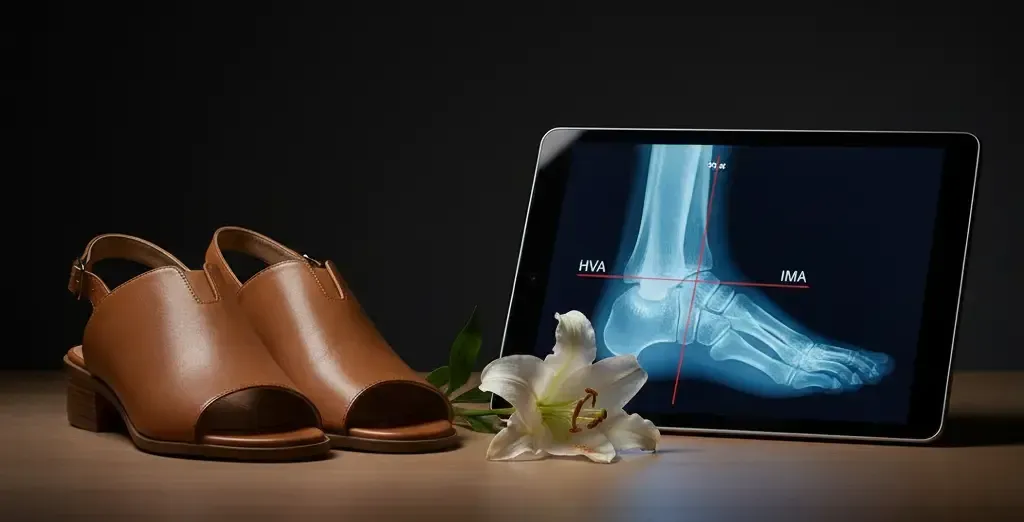
X-rays reveal when a bunion has progressed too far for non-surgical fixes. Doctors measure the hallux valgus angle (HVA), which shows how much the toe points outward. An HVA over 20 degrees often means surgery is needed.
The intermetatarsal angle (IMA) tracks the gap between the first and second metatarsal bones. If it's above 12 degrees, the bone structure has shifted irreversibly. In South Florida clinics, studies show about 40% of patients seeking care have these angles, leading to surgical recommendations.
Imaging confirms bone remodeling that's set in place. Without correction, arthritis can develop in the joint. A specialist uses these scans to plan precise interventions.
Don't let bunion pain limit another day.
Speak with a specialist now to understand your personalized treatment options.
Traditional vs. Modern Approaches: The Evolution of Bunion Correction
Overview of Traditional Open Bunionectomy
Traditional bunion surgery involves a larger cut on the side of the foot. Surgeons release tight tissues and realign the bones with cuts called osteotomies. They might use screws or pins to hold everything steady.
Recovery takes longer with this method. Patients often stay off the foot for weeks, using crutches. Swelling can last months, and scars are more noticeable.
Older techniques had higher recurrence rates, up to 20% in some cases. They disrupted more soft tissue, leading to stiffness. Many patients faced extended time away from work or play.
The Rise of Minimally Invasive Surgery (MIS) for Bunion Correction
Minimally invasive bunion surgery uses small tools through tiny incisions, often under 1 cm. This keyhole bunion surgery preserves surrounding muscles and ligaments. Surgeons make precise bone cuts without flipping open the joint.
The approach cuts down on bleeding and infection risk. Patients see faster healing because less tissue gets disturbed. Terms like small incision bunion repair highlight this shift to less trauma.
In practice, MIS suits moderate to severe cases. It realigns the toe with specialized instruments, all under X-ray guidance. This method has gained traction in orthopedic centers.
Benefits of Minimally Invasive Bunion Surgery in the South Florida Climate
Expedited Recovery and Weight-Bearing Timelines
With minimally invasive bunion surgery, you can often bear weight right after the procedure. Traditional methods keep you sidelined for 4-6 weeks, but MIS lets many walk in a boot within days. This fits South Florida's warm weather and active vibe.
Swelling drops quicker, so you return to the beach or golf course sooner. Clinics report patients resuming light activities in 2 weeks. Full recovery might take 6-8 weeks, but it's smoother.
One patient shared walking on sand just 10 days post-op. Such timelines boost morale and cut lost productivity.
Cosmetic Outcomes and Scar Management
Small incisions in keyhole bunion surgery leave faint marks, often hidden by shoe edges. Unlike open surgery's 4-5 cm scars, these fade fast. In sunny South Florida, this matters for bare feet.
To minimize scars, keep the area clean and use silicone sheets. Apply sunscreen after healing to prevent darkening. Moisturize daily for soft skin.
Patients love the natural look. It boosts confidence for sandal season.
Reduced Post-Operative Pain and Complication Rates
Smaller cuts mean less pain after minimally invasive bunion surgery. You need fewer pain meds, often just over-the-counter options. Soft tissue stays intact, so inflammation is low.
Complication rates drop to under 5%, versus 10-15% in open procedures. Infections are rare due to minimal exposure. Stiffness happens less too.
This ease helps in humid climates, where healing can slow otherwise.
The Surgical Experience: What to Expect in a South Florida Setting
Pre-Operative Planning and Diagnostic Accuracy
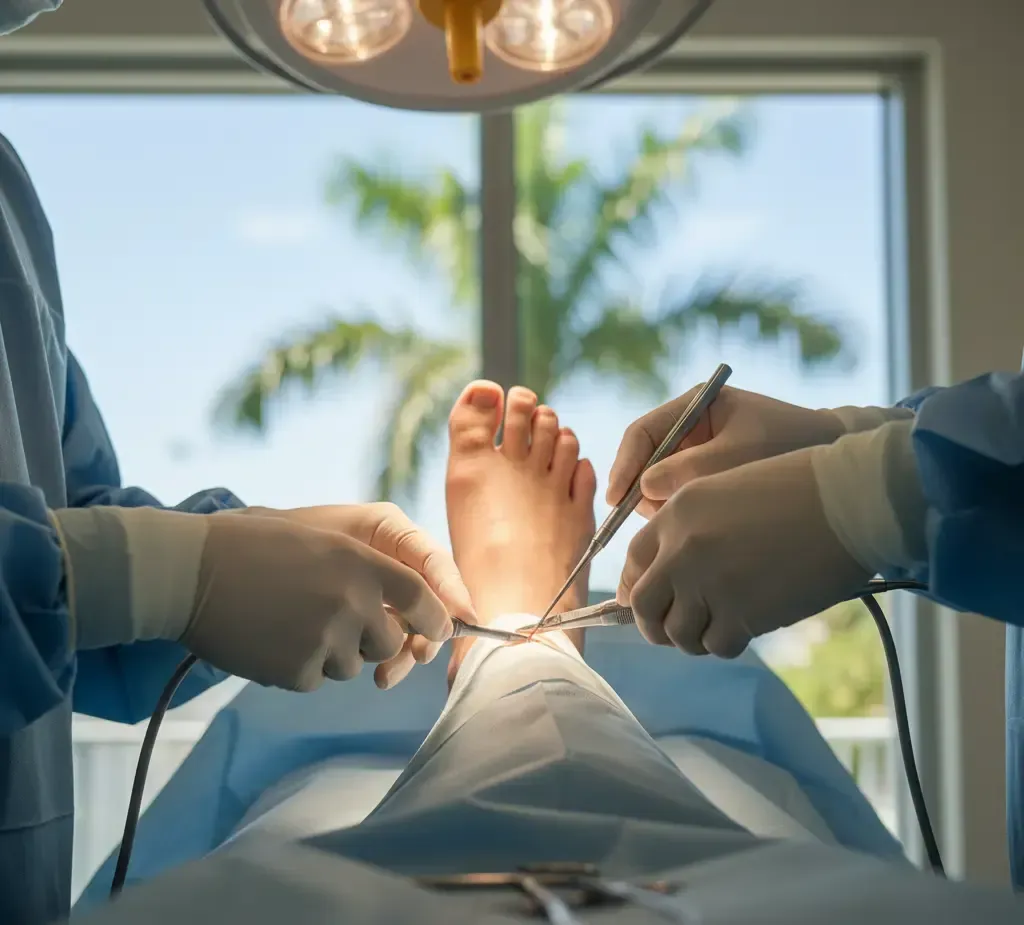
Before minimally invasive bunion surgery, weight-bearing X-rays map the foot's structure. These images guide bone cuts through small portals. Precision is key for lasting results.
A fellowship-trained surgeon reviews your history and goals. They discuss risks like nerve irritation, though rare in MIS. Planning takes one or two visits.
Experts note that accurate diagnostics cut revision rates by half. In South Florida, advanced tech ensures top care.
Anesthesia Options and Outpatient Procedure Convenience
Most MIS bunionectomies use local anesthesia with sedation. You stay relaxed but awake, avoiding general anesthesia's grogginess. The foot numbs fully for comfort.
Procedures last 45-60 minutes, done in outpatient centers. Go home the same day with a companion. No hospital stay means lower costs.
This setup suits busy locals. Recovery starts at home.
Rehabilitation and Long-Term Success Following MIS
Post-op, physical therapy begins early. Simple exercises build strength and range. Week one focuses on gentle stretches.
Compliance matters for success. Wear prescribed shoes to protect the correction. Most see full motion by three months.
Long-term, 90% of patients stay pain-free. Regular check-ups track progress.
Taking the Next Step Towards Pain-Free Mobility
Bunion surgery becomes essential when conservative treatments can't halt pain or deformity. Daily life suffers with advanced hallux valgus, from shoe fit issues to joint damage.
Minimally invasive techniques in South Florida offer faster recovery, less pain, and better cosmetics. Small incision bunion repair preserves your active routine with minimal disruption.
If chronic bunion pain limits you, consult a specialist in MIS procedures today. Reclaim your steps toward pain-free days.
Take the final step toward pain-free walking.
Secure your consultation with a South Florida MIS expert today.