What to Do When You First Notice Heel Pain in Fort Lauderdale
You wake up in your Fort Lauderdale home, ready for a morning walk along the beach. But as your feet hit the floor, a sharp stab shoots through your heel. That first twinge of heel pain can stop you cold, especially in a place where sunny days mean constant movement on sand, sidewalks, or pavement.
This kind of discomfort often hits active folks here—think joggers on A1A or casual strollers in flip-flops. It might stem from plantar fasciitis, that tight band of tissue under your foot, or Achilles tendonitis at the back of your heel. Early steps matter a lot; ignoring it can turn a small issue into months of trouble. This guide walks you through right-now actions to ease the pain and get you back to enjoying South Florida's vibe.
Immediate Steps: What to Do When You First Notice Heel Pain in Fort Lauderdale
The First Stabbing Sign of Trouble
Heel pain sneaks up fast in Fort Lauderdale's active scene. You might feel it after a beach run or stepping out of bed. Beach walks and hard pavement add extra strain on your feet.
Don't wait it out. Quick action helps stop swelling and guards against long-term damage. We'll cover simple moves you can try at home right away.
Common causes like plantar
fasciitis or Achilles issues affect thousands here each year. About 10% of people deal with foot pain at some point, per podiatry stats. This outline gives you clear first-aid steps tailored to our local life.
Identifying the Pain Type and Location
Stop and check what's going on with your heel. Is the ache sharp like a knife, or more of a dull throb? Does it burn after standing long?
Pinpoint the spot too. Pain right under the heel often means the plantar fascia is inflamed—that's the tissue running from your heel to toes. If it hurts at the back, near the Achilles tendon, it could be from tight calves or overuse.
Think about when it started. Did it hit after a long day on concrete paths? Self-checks like this guide you to better relief. Press gently around the area to note tender spots.
Implementing R.I.C.E. Principles Locally
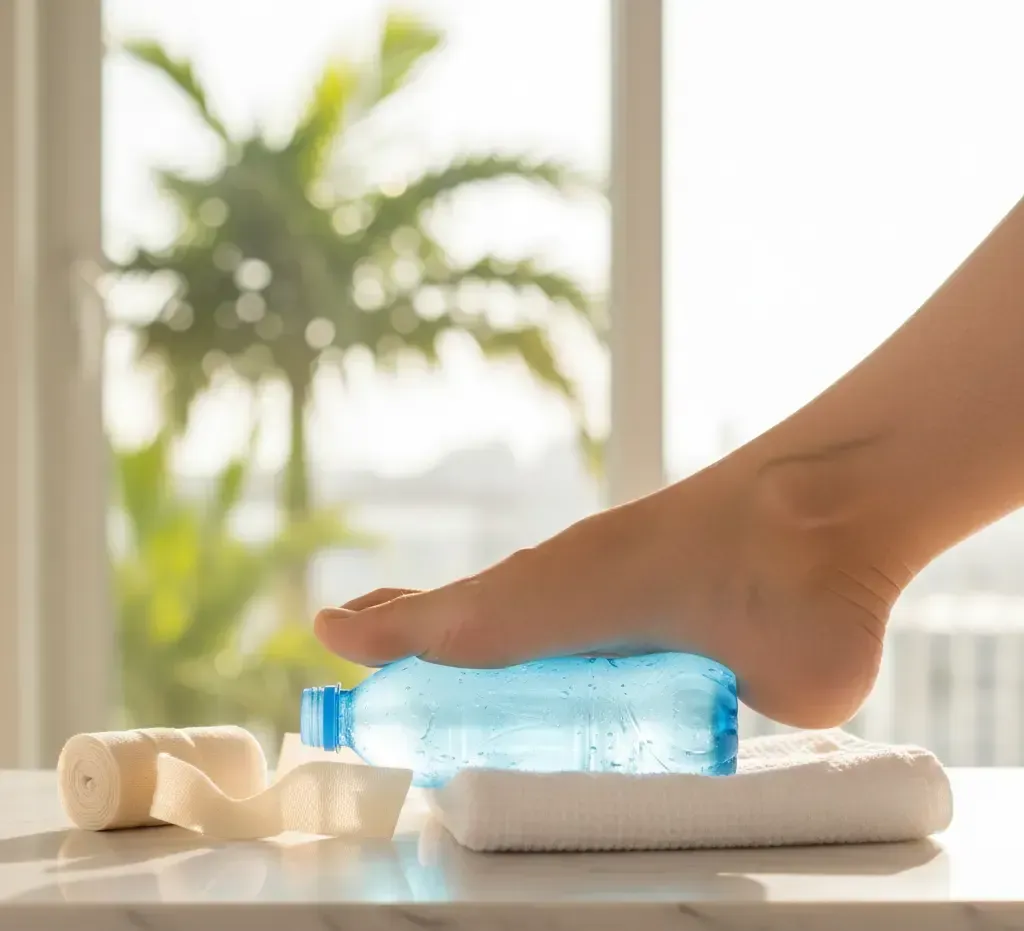
R.I.C.E. stands for rest, ice, compression, and elevation—your go-to for fresh heel pain. Start with rest to let tissues heal. Skip those long walks on A1A sidewalks; prop your foot up instead.
For ice, grab a frozen water bottle from your freezer. Roll it under your foot for 10-15 minutes, twice a day. The cold seeps deep into the arch, numbing pain and cutting swelling—perfect for our humid weather.
Compression comes next with a soft wrap, but not too tight. Elevate your heel above heart level when you sit. These steps work fast for Fort Lauderdale runners who push through heat.
Follow R.I.C.E. for 48 hours. You'll often see less soreness by day two.
Over-the-Counter Medication Management
Pain relievers can help tame inflammation right away. NSAIDs like ibuprofen reduce swelling and ease the throb in your heel.
Take them as directed, usually 200-400 mg every six hours. But talk to your doctor first, especially if you have stomach issues or take other meds. Self-medicating without advice risks side effects.
In Fort Lauderdale, grab these at any pharmacy near Las Olas. They pair well with R.I.C.E. for quick relief. Always check labels and stay hydrated in our warm climate.
Feel Better Faster
Don't wait for morning stiffness to become chronic pain. A quick call can start your relief.
Immediate At-Home Triage for Acute Heel Pain
You've assessed the pain. Now, build on R.I.C.E. with easy tweaks. These keep you moving without worsening the strain.
Rest doesn't mean total bed rest. Limit weight on that foot; use crutches if it hurts to walk. In our beach town, swap runs for swims to stay active.
Ice sessions should feel good, not painful. Roll that bottle slowly, wearing a sock if it's too cold. Do it morning and night for best results.
Compression wraps from the drugstore hug the heel without cutting circulation. Elevate while watching the waves from your balcony. Simple habits like these prevent small pains from growing.
Examining Footwear and Biomechanics in the Broward Area
The Role of Shoes in Fort Lauderdale's Climate
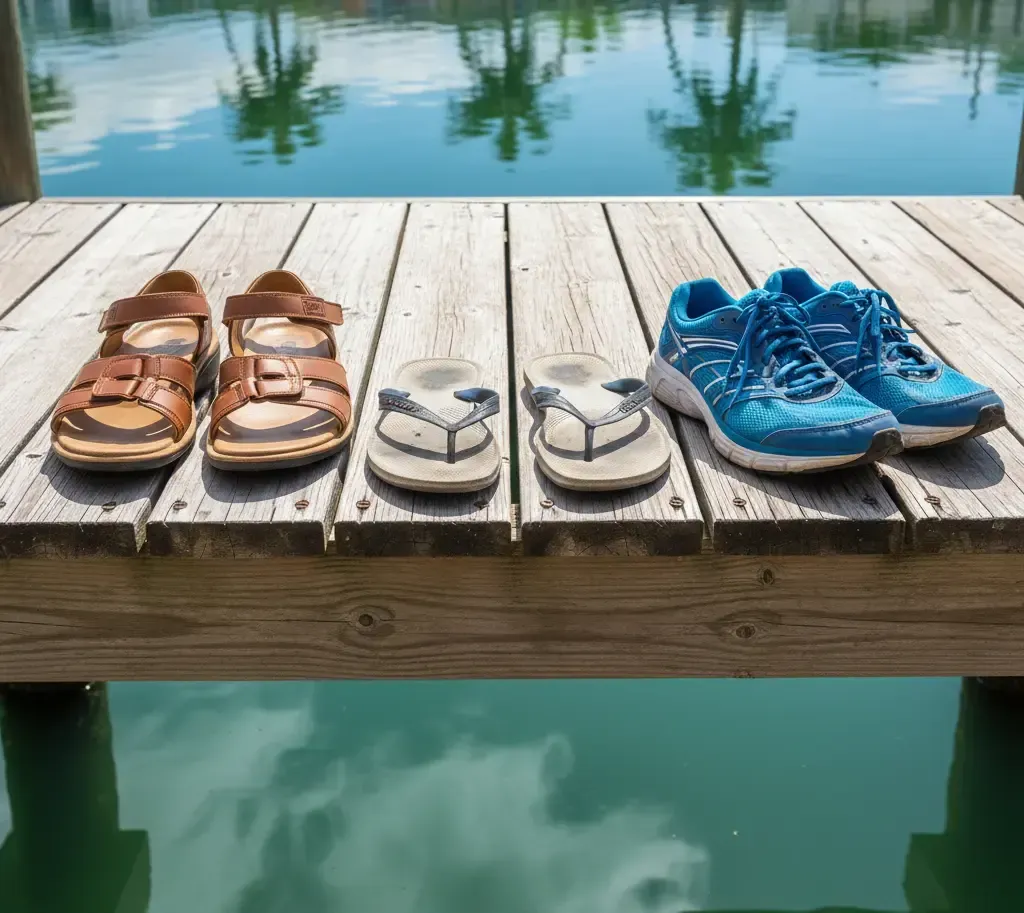
Bad shoes spark a lot of heel woes here. Flip-flops rule for beach days, but their zero support stresses your arches. Worn-out sneakers from endless pavement pounding wear thin fast too.
Nightlife in high heels adds heel pressure. Our hot, wet weather makes feet slip in unsupportive pairs. Pick shoes with cushioned soles and arch boosts instead.
Look for brands like Brooks or Hoka, made for Florida's mix of sand and concrete. Swap those old flips for supportive sandals. Better footwear cuts heel pain risk by half, say foot experts.
Assessing Your Daily Walking Surfaces
Fort Lauderdale paths mix hard and soft ground. Concrete sidewalks jar your heels with each step. Asphalt from runs to the grocery store amps up impact too.
Sand beaches offer softer landings, but wet sand can twist ankles. Turf at parks gives some give, yet hard-packed areas still pound. If your routine leans heavy on rigid spots, that's a red flag for pain.
Track your walks. Aim for more grass or beach time. Softer surfaces let your feet recover naturally.
Foot strike matters—land heel-first on hard ground? That slams stress right into the bone. Shift to mid-foot landing for less jolt.
Simple At-Home Foot Stretches to Relieve Tension
Stretches loosen tight spots before pain builds. Try the calf stretch first. Stand facing a wall, one foot back, heel down. Lean forward until you feel the pull in your calf. Hold 30 seconds, switch sides. Do this three times a day.
Next, towel scrunches build foot strength. Sit with a towel flat on the floor. Scrunch it toward you using your toes. Repeat 10 times per foot. These target small muscles under the arch.
Do stretches in bed each morning. Before your feet touch the ground, point and flex your toes. This eases morning stiffness common with heel pain.
Consistency pays off. After a week, you'll notice looser heels and less ache.
When to Seek Professional Evaluation in Fort Lauderdale
Recognizing Red Flags Requiring Urgent Care
Some signs mean see a doc now. Can't put weight on that foot? Head to urgent care fast.
Severe swelling, redness, or warmth could signal infection. Pain that sticks around after two days of home tricks needs a look too. Numbness or tingling points to nerve trouble.
In Fort Lauderdale, spots like Broward Health or local podiatry centers handle these quick. Don't push through if it's bad—better safe than sidelined.
Understanding Diagnostic Methods Used by Local Specialists
Pros start with a hands-on exam. They poke and move your foot to spot issues. X-rays check for spurs or breaks in the heel bone.
If needed, ultrasound shows soft tissue swelling. MRI dives deeper for tendon tears. These tools pinpoint why your heel hurts.
Local experts in Broward use them often. Accurate checks lead to fixes that work, not guesswork.
Exploring Conservative Treatment Options Beyond Home Care
Custom orthotics beat store-bought ones. They mold to your feet, fixing uneven steps. Off-the-shelf inserts slip or lack fit.
Physical therapy builds strength with guided moves. Taping wraps support the arch tight. These steps heal without surgery.
Many Fort Lauderdale clinics offer them. Start here before bigger fixes.
Advanced and Long-Term Management Strategies
The Power of Custom Orthotics for Chronic Support
Custom inserts change the game for ongoing heel pain. A podiatrist scans your feet, then molds supports to match. They fix pronation—when feet roll in too much.
Generic ones fall short; they don't hug your unique shape. With customs, pain drops as gait improves. Adaptation takes a week or two—stick with it.
In our area, get them from specialists near Hollywood or Pompano. Pair with good shoes for all-day comfort.
Introducing Physical Therapy Protocols for Strengthening
PT goes past stretches. Exercises hit calves, ankles, and foot cores. Eccentric heel drops lower slowly on the sore side to build tendon strength.
Modalities like ultrasound warm deep tissues. Iontophoresis pushes meds through skin to fight swelling. Sessions run 4-6 weeks, twice weekly.
Local therapists tailor plans to beach lovers. Strength gains let you run pain-free again.
Lifestyle Adjustments for Sustainable Pain Relief
Switch to low-impact fun. Swim in the ocean or bike along the trails—easy on heels. Cut high-jump activities until healed.
Watch your weight; extra pounds load the plantar fascia heavy. Lose five pounds, and heel stress eases big time. Eat well, move smart.
In Florida heat, stay cool to avoid more strain. These changes keep pain away for good.
Taking Control of Your Heel Health
Heel pain hits hard in Fort Lauderdale, but you can fight back. Start with R.I.C.E., check your shoes, and stretch daily. If it lingers past a week, see a local pro for checks and orthotics.
Prompt moves stop minor aches from turning chronic. You'll soon stroll the beach or hit the boardwalk without wincing. Take charge now—your feet carry you through this vibrant life. Book that appointment today and step easy.
Step Forward Pain-Free
Don't let heel pain sideline you. Schedule a professional evaluation with a Fort Lauderdale specialist today.